The Basement Doctor of Cincinnati Before & After Photos
Click on a photo to enlarge.
Concrete Lifting and Leveling Company in Guilford, Indiana


This homeowner wanted to change the appearance of their home from the outside, specifically from the front of their home. After weighing their options, they decided that they wanted to redo their sidewalk. After looking on the internet for different options, they decided they didn't want to replace it completely. They thought it could be saved if they chose the right company to jack it up and level it out. After googling reviews for the right company, they decided they wanted us to do it. Not only did it seem like we had the right methods, it seemed like we had the right personnel. After we leveled their whole sidewalk with our PolyLevel foam, we then sealed the cracks and gaps with our NexusPro caulking. The homeowners were extremely happy and even had money left over to change their garden bed from mulch to gravel.
Basement Waterproofing Contractors in Guilford, Indiana
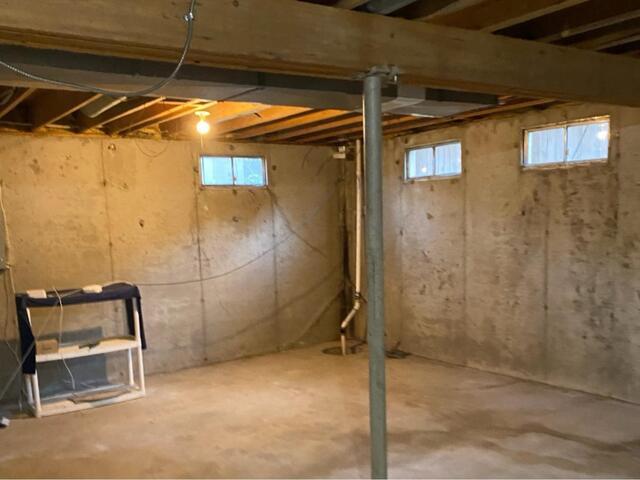

The owner of this basement had their previous waterproofers go out of business, so they needed someone who could help them out. The existing sump pump was most likely hooked up to footer drains on the outside of the home, which probably clogged with time. We told them about our interior drainage system, which was less of a nuisance to install than to repair their outside drains. They agreed that our process was easier, and so they agreed. We waterproofed this basement by installing our WaterGuard subfloor drains, our SuperSump sump pump, and our BrightWall wall panels. The result was a very happy homeowner who found a company they could trust for the long haul.
Basement Waterproofing Company in Rising Sun, Indiana
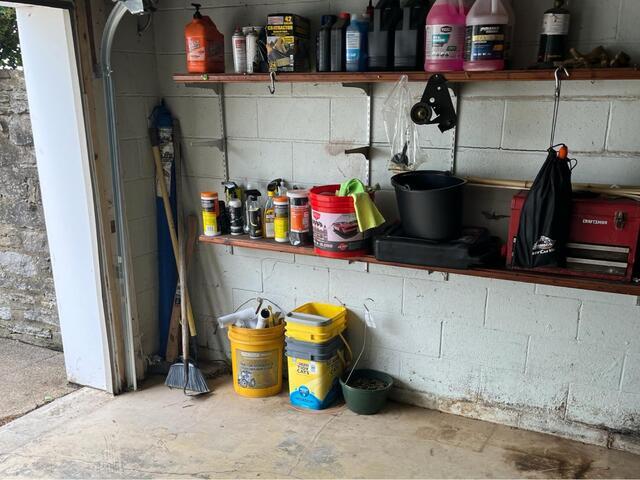
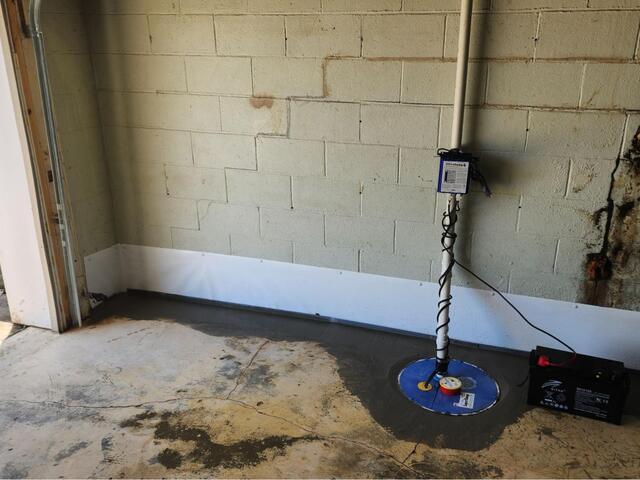
This lower grade garage in Rising Sun, IN, leaked heavily every time it rained. The moisture left behind from the leaks seeped into the home, and the homeowners grew tired of the musty smells. We waterproofed the garage by installing our WaterGuard subfloor drains around the perimeter, which are pitched down to our SuperSump that we installed in the lowest graded part of the basement. Now that the basement is waterproofed, the homeowners can look forward to a cleaner smelling home and a dry garage space.
Basement Repair Company in Lawrenceburg, Indiana
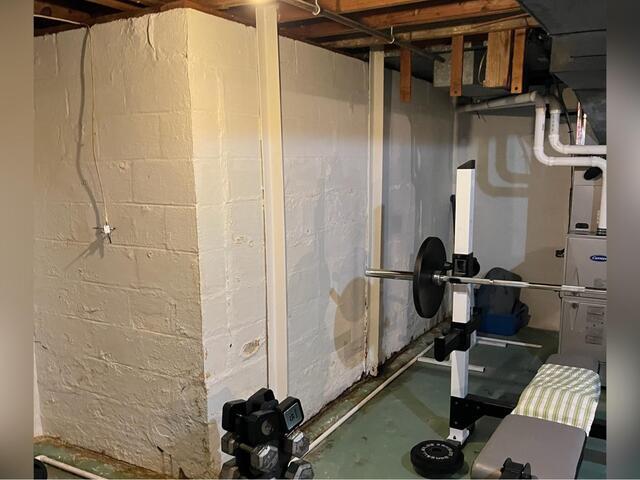
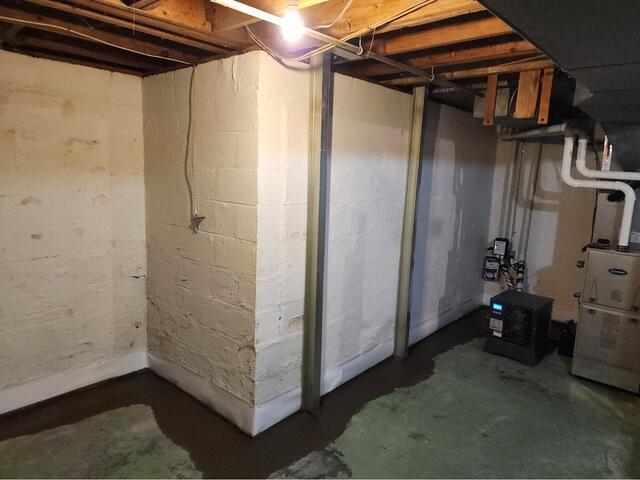
This home had a bowing wall and water leaking issues. These two problems are commonly seen paired together due to hydrostatic pressure built up outside the foundation, (it also didn't help that their existing beams were failing due to poor material). First, we installed our WaterGuard subfloor drains and our TripleSafe sump pump to deal with the water issues. We then installed PowerBraces on the bowed wall to ensure that the wall does not move horizontally anymore.
Sump Pump Replacement in Warsaw, KY
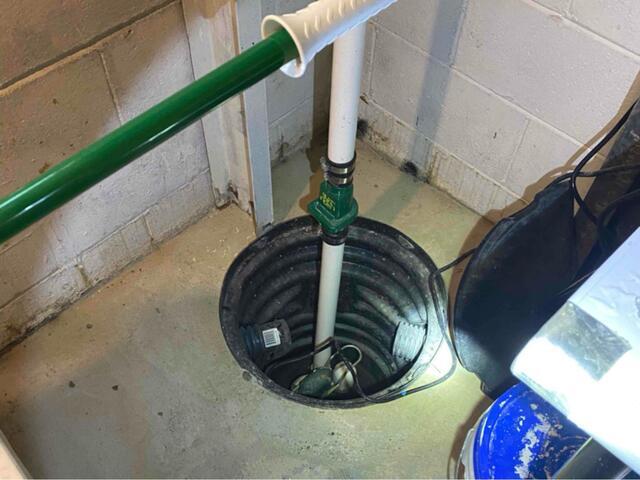
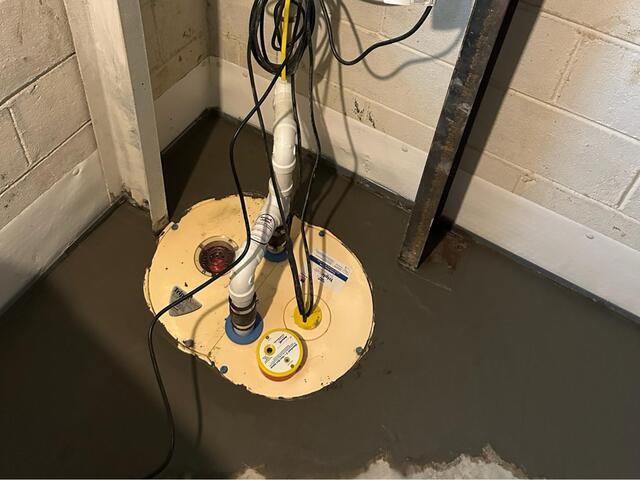
As part of replacing a homes entire waterproofing system in Warsaw, KY, we replaced the sump pump system. The old sump pit had virtually no water in it because the exterior drains had clogged in the dirt outside the home. After we installed our interior drainage system to replace the clogged system, we then replaced the sump pump as well with our TripleSafe sump pump. Our TripleSafe was equipped with three different pumping systems, including one that is backed by a battery backup system (the battery was just outside the frame of the photo). This battery backup system is just one of the many reasons why our waterproofing systems are more secure than others. The homeowner was happy with the outcome.
our service area
We serve the following areas
- Burlington
- Covington
- Erlanger
- Florence
- Ft Mitchell
- Glencoe
- Hebron
- Independence
- Morning View
- Petersburg
- Sparta
- Union
- Verona
- Walton
- Warsaw
- Addyston
- Ansonia
- Arcanum
- Camden
- Cleves
- College Corner
- Eaton
- Eldorado
- Fairfield
- Greenville
- Harrison
- Hollansburg
- Lewisburg
- New Madison
- New Paris
- New Weston
- North Bend
- Okeana
- Oxford
- Rossburg
- Somerville
- Union City
- West Alexandria
- West Elkton
- West Manchester